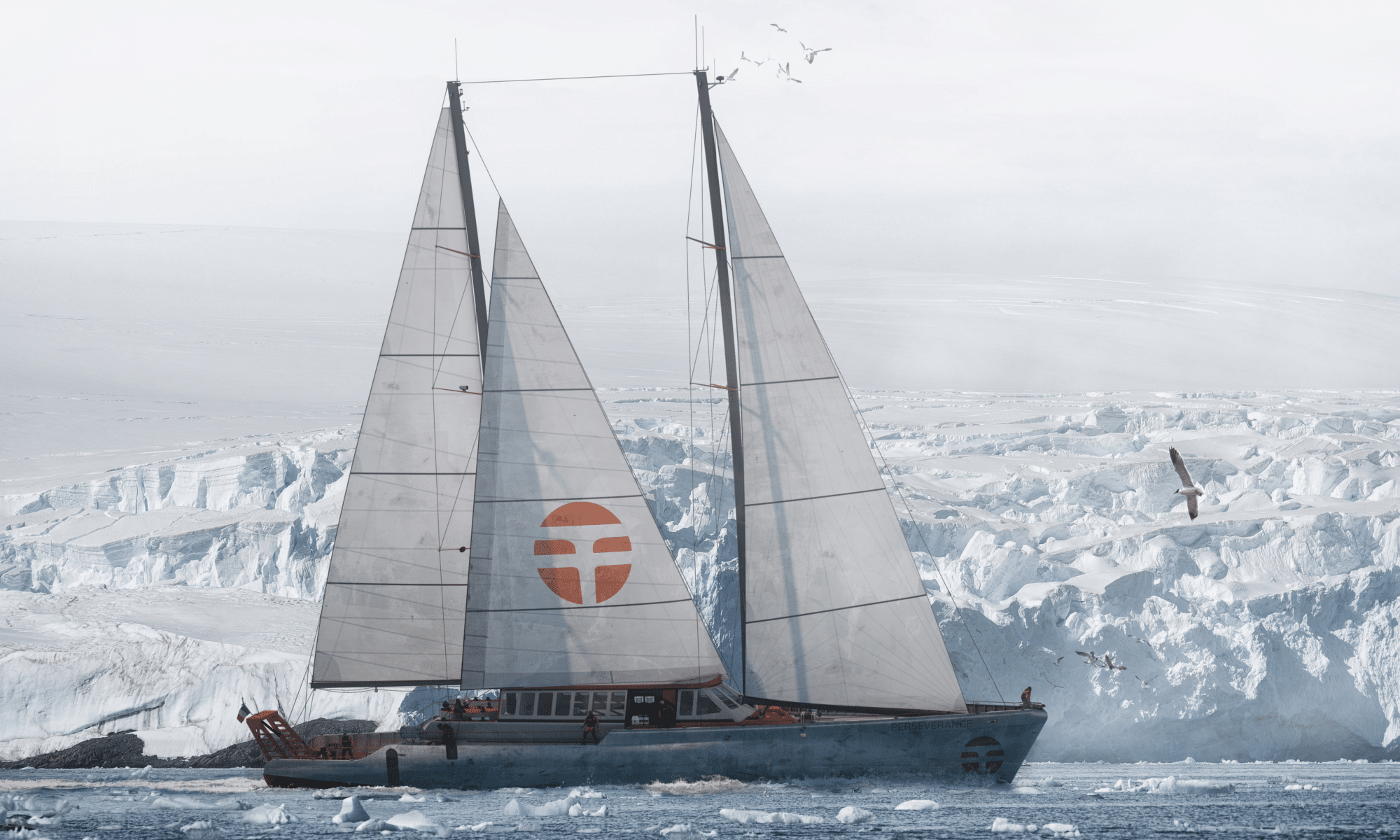
The CE318 photometer aboard Persévérance
Where scientific observation meets ocean adventure
Persévérance official page | PHOTONS Mobile campaign page | PHOTONS / AERONET France
To understand climate and improve weather forecasting, we must first understand aerosols. These tiny particles suspended in the atmosphere influence the Earth’s radiation balance, cloud formation, visibility, and the movement of air masses across the globe. Over the oceans, their role is especially important. And yet, these immense marine expanses remain among the least documented regions on Earth when it comes to continuous atmospheric observations.
That is what makes the Persévérance campaign so exceptional.
Conceived by explorer Jean-Louis Etienne, Persévérance is a polar-capable schooner designed to support scientific missions in remote marine regions, where observations are rare and logistics remain challenging. By operating far from permanent stations and conventional routes, it offers a unique opportunity to collect valuable environmental data in areas that are still sparsely documented.
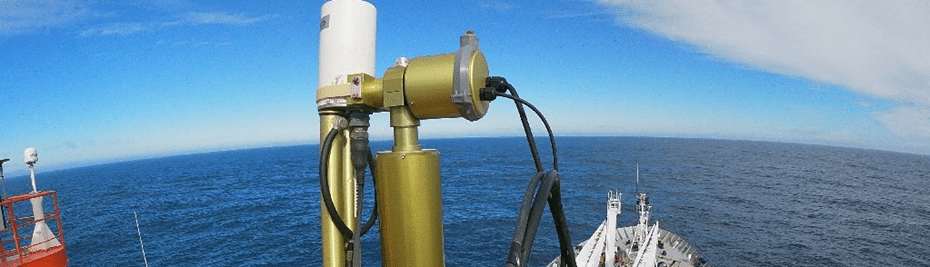
On board, a CIMEL CE318 photometer operated autonomously throughout the voyage, performing day-and-night aerosol observations over the open ocean. Tracking the Sun by day and the Moon by night, the instrument transformed the vessel into a moving atmospheric observatory. Quietly and continuously, it captured the optical signature of aerosols across regions of the world where few instruments ever operate with such regularity.
This deployment is remarkable not only because of the challenge of operating an automatic photometer at sea, but because of the scientific value of the route itself. The open ocean remains one of the great blind spots of atmospheric observation. In these remote marine regions, every reliable measurement is precious for documenting aerosol background conditions, tracking long-range transport, improving satellite validation, and strengthening meteorological and climate studies.
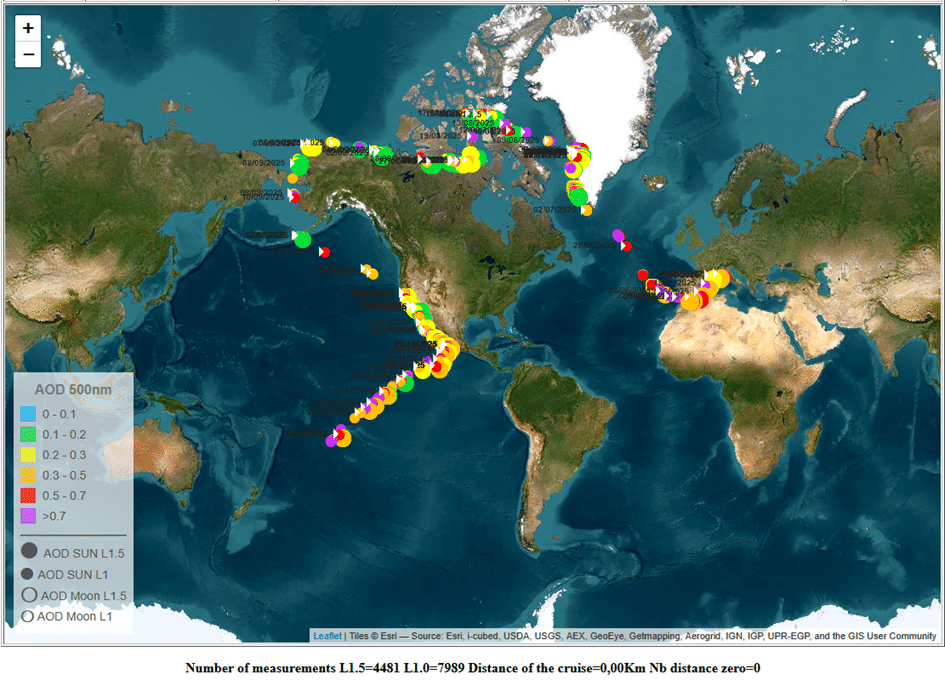
The campaign also reflects the strength of the scientific framework behind these observations. The data are part of the PHOTONS / AERONET ecosystem, with PHOTONS representing the French component of AERONET and LOA/CNRS in Lille playing a central role in aerosol observation and photometric data processing. Through this broader international framework, measurements collected far from land acquire even greater value: they can be compared, interpreted, and integrated into a long-term effort to better understand the atmosphere on a global scale.
In this sense, Persévérance was not simply crossing oceans. It was helping reveal them – not only as routes of travel and exploration, but as atmospheric frontiers still waiting to be observed in greater detail.
By extending aerosol monitoring beyond fixed land-based stations, the CE318 deployment aboard Persévérance contributes to a more complete picture of the marine atmosphere. It is a reminder that some of the most valuable observations are still made at the edge of the map, where science follows exploration, and where each measurement brings us closer to a better understanding of climate and weather.
Source links
Click on Lev 1.0 or Lev 1.5 to visualize the measurements.